

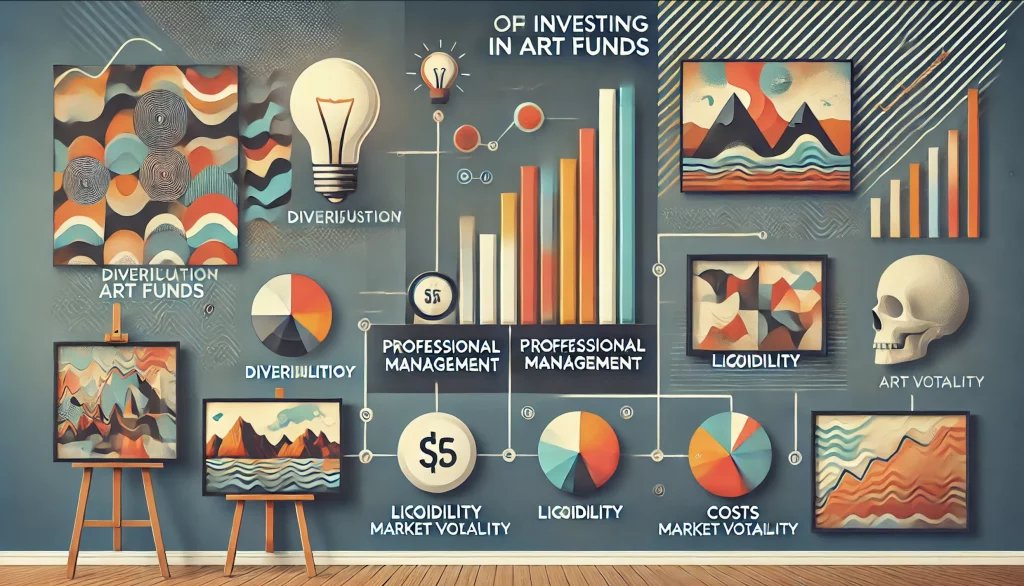
Art investing was once an exclusive domain reserved for high-net-worth collectors and seasoned auction buyers. Today, however, it is rapidly becoming more accessible to everyday investors. The combination of digital platforms, fractional ownership models, and growing interest in alternative assets has transformed art from a luxury purchase into a legitimate investment category. Understanding this shift reveals why art is gaining traction in modern portfolios.
- Why Art Is Attracting More Investors
- Key Factors Driving Art Investments Into the Mainstream
- 1. Fractional Art Ownership
- 2. Digital Marketplaces
- 3. Increased Data and Market Analytics
- 4. Institutional Interest
- 5. Tokenization and Blockchain Technology
- Types of Art Investors Are Focusing On
- Benefits of Adding Art to an Investment Portfolio
- Risks and Considerations
- How Beginners Can Start Investing in Art
- Start With Fractional Platforms
- Research Artists and Trends
- Set a Budget and Strategy
- Consider Professional Guidance
- 1. Is art a good investment for beginners?
- 2. How much money do I need to start investing in art?
- 3. How can I determine if an artwork will appreciate?
- 4. Are digital art and NFTs safe investments?
- 5. How long should I plan to hold art investments?
- 6. Does art investing require expertise?
- 7. What risks should I be aware of when investing in art?
Why Art Is Attracting More Investors
A Hedge Against Market Volatility
Art often behaves differently from stocks, bonds, and real estate. Because its value isn’t tied directly to economic cycles, it can help stabilize a portfolio during financial downturns.
Long-Term Value Preservation
High-quality artwork tends to appreciate steadily over time. Many investors view art as a store of value, similar to other tangible assets like precious metals.
Cultural and Emotional Appeal
Unlike traditional financial assets, art provides aesthetic enjoyment, cultural relevance, and personal expression. Investors appreciate the dual benefit of potential profit and visual pleasure.
Key Factors Driving Art Investments Into the Mainstream
1. Fractional Art Ownership
New platforms now allow investors to buy shares of high-value artworks. This fractional model:
- Reduces the cost barrier
- Makes blue-chip art accessible
- Enables diversification without purchasing entire pieces
2. Digital Marketplaces
Online art marketplaces and auction platforms have expanded global access. Investors can now:
- Browse collections
- Participate in virtual auctions
- Access verified provenance records
This transparency builds trust and confidence among new buyers.
3. Increased Data and Market Analytics
Modern technology provides investors with:
- Real-time price tracking
- Historical performance data
- Market trend analysis
Data-driven insights help art investing feel less speculative and more strategic.
4. Institutional Interest
Museums, investment firms, and cultural institutions are increasingly involved in the art market. As institutional involvement grows, credibility and liquidity improve.
5. Tokenization and Blockchain Technology
Blockchain allows artworks to be digitally tokenized, ensuring secure ownership records and easier trading. This innovation further democratizes access to the art world.
Types of Art Investors Are Focusing On
Contemporary Art
One of the fastest-growing segments, contemporary pieces from emerging and mid-career artists offer strong appreciation potential.
Blue-Chip Artists
Works by established artists retain value more consistently and are popular among conservative investors.
Digital Art and NFTs
Digital art has soared in popularity due to blockchain authentication and global accessibility. Though volatile, this category attracts tech-savvy investors.
Photography and Limited Editions
More affordable entry points for beginners seeking diversification within the art space.
Benefits of Adding Art to an Investment Portfolio
Low Correlation With Traditional Assets
Art prices often remain stable when stock markets fluctuate, making it an effective diversification tool.
Tangible Ownership
Art is a physical (or digital) asset you can display, trade, or pass down. It holds emotional and historical significance.
Potential for High Returns
Some pieces appreciate dramatically when an artist gains recognition or market demand increases.
Risks and Considerations
Illiquidity
Art is not as easily sold as stocks or bonds. Selling high-value pieces requires time, buyers, and the right market conditions.
Market Knowledge
Understanding artists, provenance, authenticity, and market cycles is essential to avoid overpaying or buying undervalued works.
Storage and Insurance
Physical pieces require proper care, climate control, and insurance protection, which can add to ownership costs.
How Beginners Can Start Investing in Art
Start With Fractional Platforms
These platforms offer lower minimums, expert curation, and easier entry for newcomers.
Research Artists and Trends
Follow galleries, exhibitions, and art publications to understand which artists are gaining traction.
Set a Budget and Strategy
Determine whether you’re investing for passion, diversification, or long-term appreciation.
Consider Professional Guidance
Art advisors and consultants can help identify promising pieces and avoid pitfalls.
Frequently Asked Questions (FAQ)
1. Is art a good investment for beginners?
Yes, especially with the rise of fractional ownership and online platforms that reduce barriers to entry.
2. How much money do I need to start investing in art?
Depending on the platform, you can begin with a few hundred dollars through fractional shares or start with lower-priced pieces from emerging artists.
3. How can I determine if an artwork will appreciate?
Look for strong artist reputations, gallery support, historical performance, and rising collector interest. However, no investment is guaranteed.
4. Are digital art and NFTs safe investments?
They offer potential but come with higher volatility. Understanding blockchain technology and market trends is important before investing.
5. How long should I plan to hold art investments?
Most investors hold artworks for several years, as appreciation tends to occur over longer time horizons.
6. Does art investing require expertise?
Not necessarily. While expertise helps, beginners can rely on curated platforms, advisors, and market data.
7. What risks should I be aware of when investing in art?
Risks include illiquidity, fluctuating demand, authenticity issues, and storage costs for physical art.
If you’d like, I can also create a guide comparing traditional art investments with digital art or explain how to build an art-focused investment portfolio.