

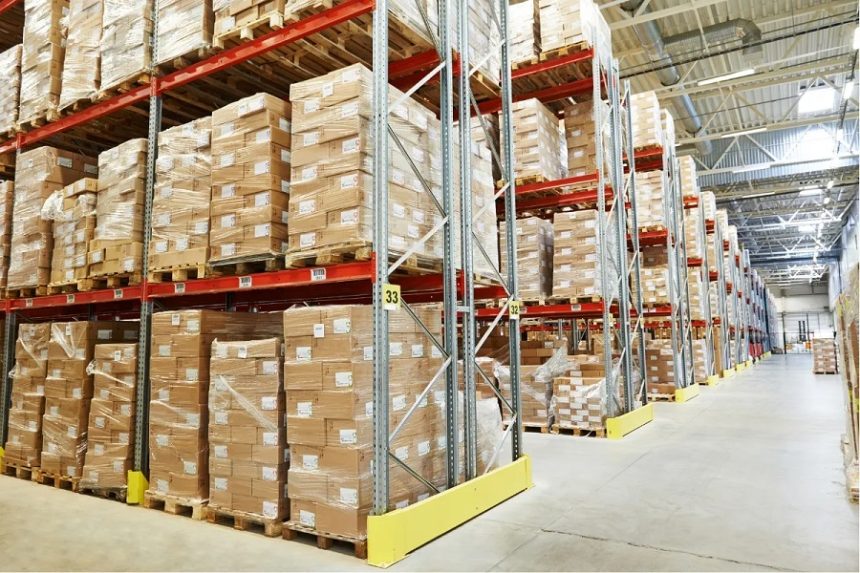
A well-planned warehouse can make daily business operations smoother, faster, and more organised. Whether a company handles storage, logistics, assembly, fabrication, or light manufacturing, the right warehouse layout can improve productivity and help control operating costs. Careful planning also makes it easier to manage inventory and prepare the business for future growth.
When choosing a warehouse in UAE, businesses should look beyond the available floor space. Factors such as location, warehouse size, storage requirements, loading areas, power supply, accessibility, safety, and future expansion can all affect efficiency. A warehouse designed around the actual needs of the business can create a more productive and convenient working environment.
Understand Your Business Requirements
The first step is to identify exactly what the warehouse will be used for. A company focused on storage may need more shelving and organised inventory zones, while a logistics business may require larger loading and unloading areas. Businesses involved in assembly or light manufacturing may need dedicated production sections.
Make a list of the products, equipment, machinery, vehicles, and staff that will use the space. This helps determine the required warehouse size and prevents unnecessary spending on unused space.
Select the Right Warehouse Size
Choosing the correct size is essential for efficient operations. A warehouse that is too small can create overcrowding, while an unnecessarily large facility can increase rental and maintenance expenses.
Consider the current inventory as well as expected business growth. Leave enough room for additional stock, equipment, and operational changes. Flexible warehouse spaces can be particularly useful for growing businesses because the layout can be adjusted as requirements change.
Create a Smart Layout
An efficient layout should allow products and employees to move easily from one area to another. Divide the warehouse into clear zones for receiving, storage, picking, packing, dispatch, and administration.
Keep frequently handled products in easily accessible areas to reduce unnecessary movement. Wider pathways can help improve the movement of employees, trolleys, and forklifts. Proper spacing between storage sections can also make stock counting and inventory management easier.
Plan Storage According to Inventory
Different products may require different storage conditions and arrangements. Heavy items should be stored in suitable areas where they can be handled safely. Frequently requested products can be positioned closer to picking and dispatch sections.
Use shelves, racks, pallets, or other storage systems according to the nature of the goods. Clear labels and organised inventory sections can help employees locate products quickly and reduce errors during order processing.
Consider Loading and Unloading Areas
Loading and unloading are important parts of warehouse operations. Vehicles should have enough space to enter, park, load, and leave without disrupting other activities.
A well-planned loading area can reduce waiting time and improve the movement of goods. It is also useful to separate incoming and outgoing goods where possible. This can create a smoother flow and make daily operations easier to manage.
Focus on Safety and Working Conditions
Safety should be included in warehouse planning from the beginning. Keep emergency exits accessible, maintain clear walkways, and provide sufficient lighting throughout the facility. Storage systems should be stable and suitable for the weight of the goods being stored.
The UAE climate also makes environmental considerations important. Proper ventilation, insulation, and suitable warehouse doors and roofing can help protect inventory and create better working conditions, particularly during warmer months.
Plan for Technology and Future Growth
Modern warehouse operations can benefit from inventory management software, barcode systems, digital records, and other technology. Planning space for computers, equipment, charging points, and communication systems can make future upgrades easier.
Businesses should also think about expansion before finalising the layout. A flexible design allows companies to add storage capacity, equipment, or work areas without completely redesigning the facility.
Conclusion
Planning an efficient warehouse in UAE requires a balance between space, storage, accessibility, safety, technology, and future business needs. By selecting the right size, creating a practical layout, organising inventory properly, and planning efficient movement of goods, businesses can improve productivity and manage operations more effectively. A well-designed warehouse is not simply a place to store products; it can become an important part of a company’s long-term growth and operational success.